A three-part documentary series following the scientists who have studied one grizzly population for more than four decades.
David Copithorne · Flathead Valley, British Columbia · Filmed over a couple of field seasons
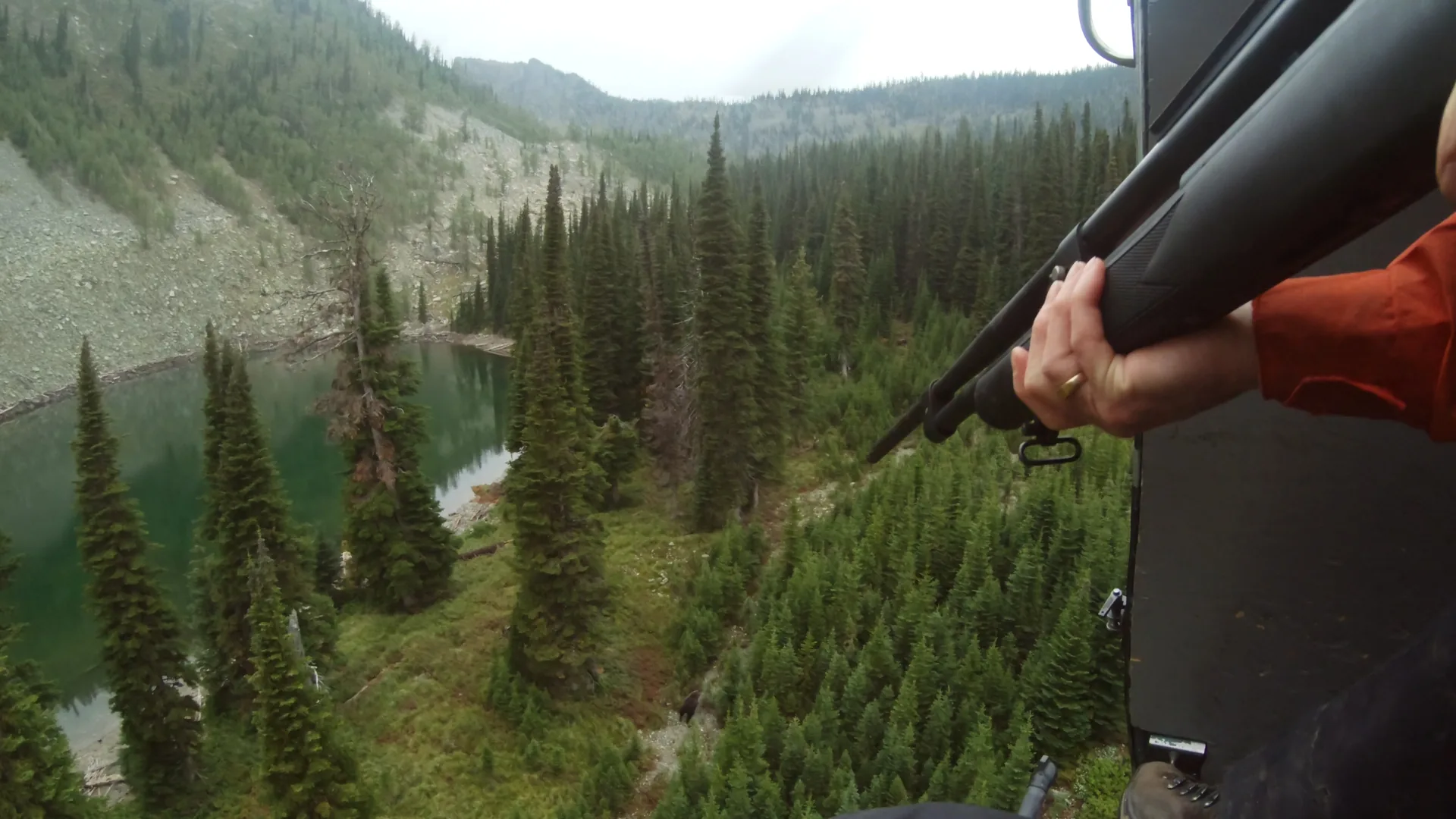
Every year in late August, Garth Mowat and his team head south into the Flathead Valley, a remote corner of southeastern British Columbia that runs right up against the Montana border. They go looking for a handful of female grizzly bears they have known for years, dart them, and spend a short, focused window collecting the data that keeps one of the longest-running wildlife studies in North America alive.
Working with Garth and his team was amazing. I spent a couple of field seasons with the team, directing, producing and shooting a three-part documentary series about the work: the capture itself, what the bears eat, and what more than forty years of research reveal about how a grizzly population recovers.
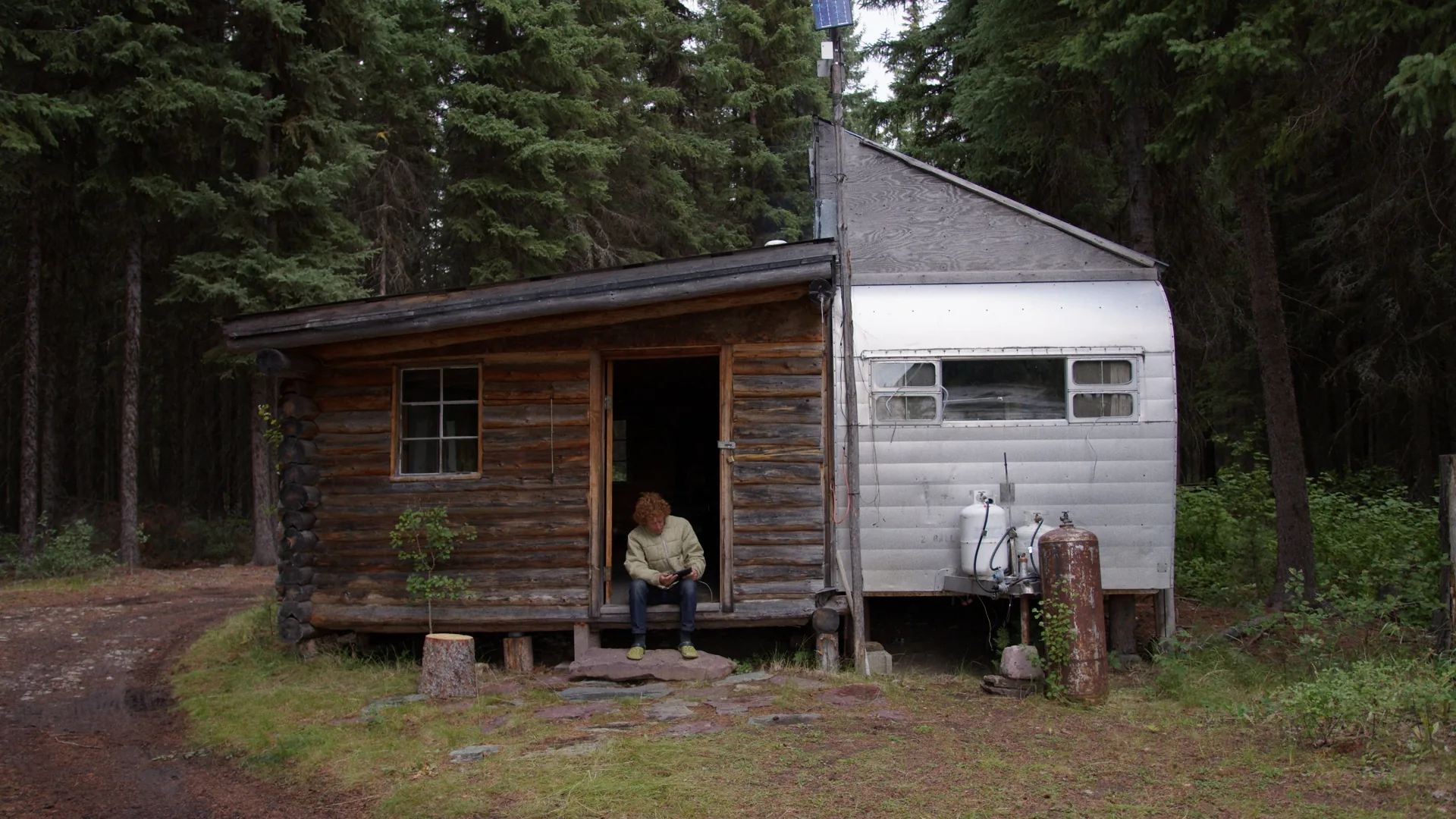
The Flathead study began with biologist Bruce McLellan, who moved into the valley in 1978 and stayed for more than forty years. He and his wife built a cabin along the Flathead River, raised two kids there, and tracked bears by radio telemetry almost every day. That kind of daily contact is rare. Most studies locate collared bears from an aircraft every week or two. Bruce followed individual bears on the ground, season after season, and followed several females through their entire lives, into their late twenties and early thirties.
Today Garth Mowat leads the work, carrying it forward with a new generation of researchers. The program still centres on a core group of females: how many cubs they have, how many of those cubs survive, and how the bears and their food supply are doing from year to year.
Some of what the study has shown surprises people. Grizzlies are not territorial. Their home ranges overlap, males travel huge distances to find mates, and females tend to settle close to where their mothers lived. And the Flathead population roughly tripled over the years Bruce worked there, one of the clearer recovery stories in grizzly country.
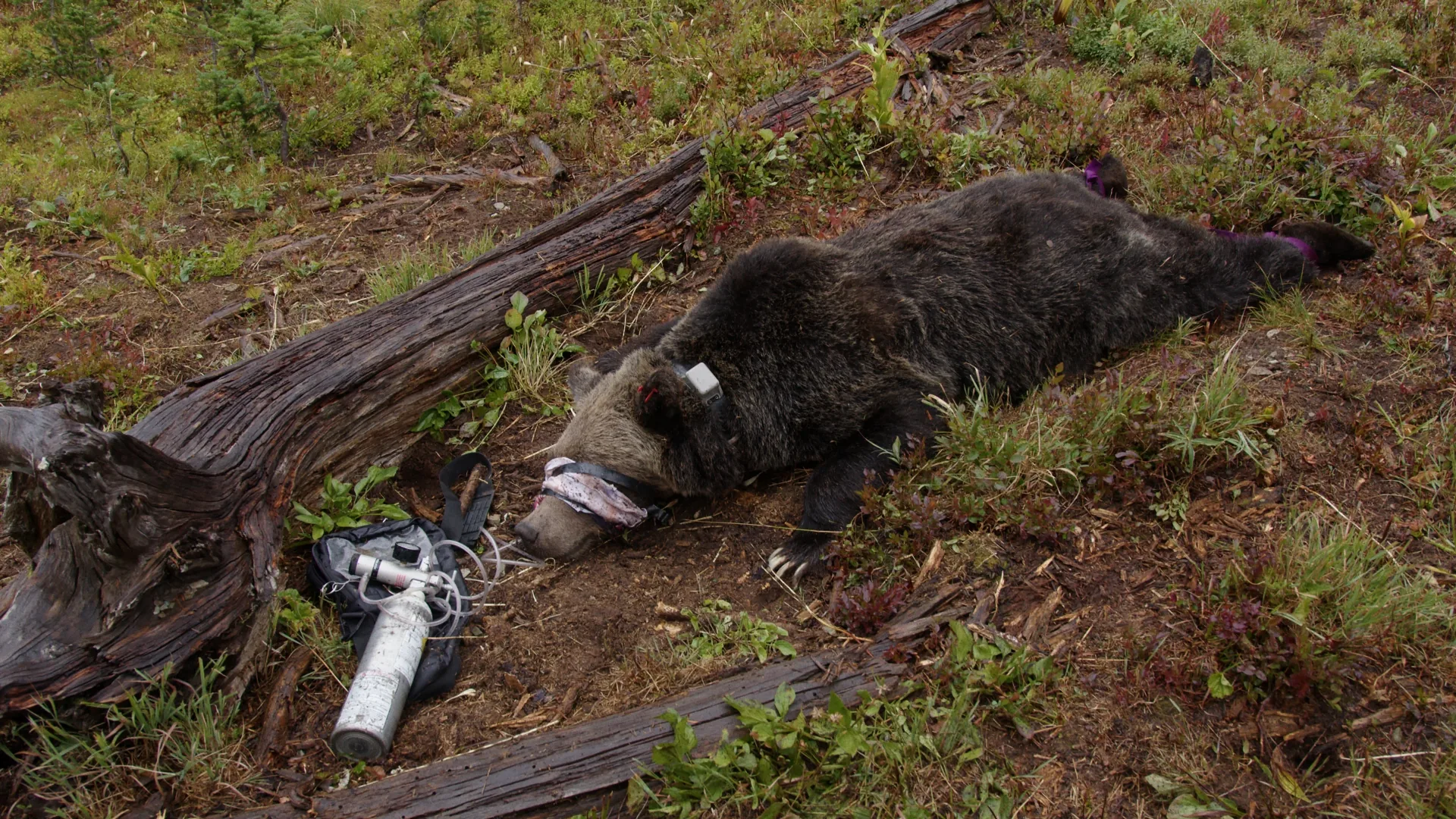
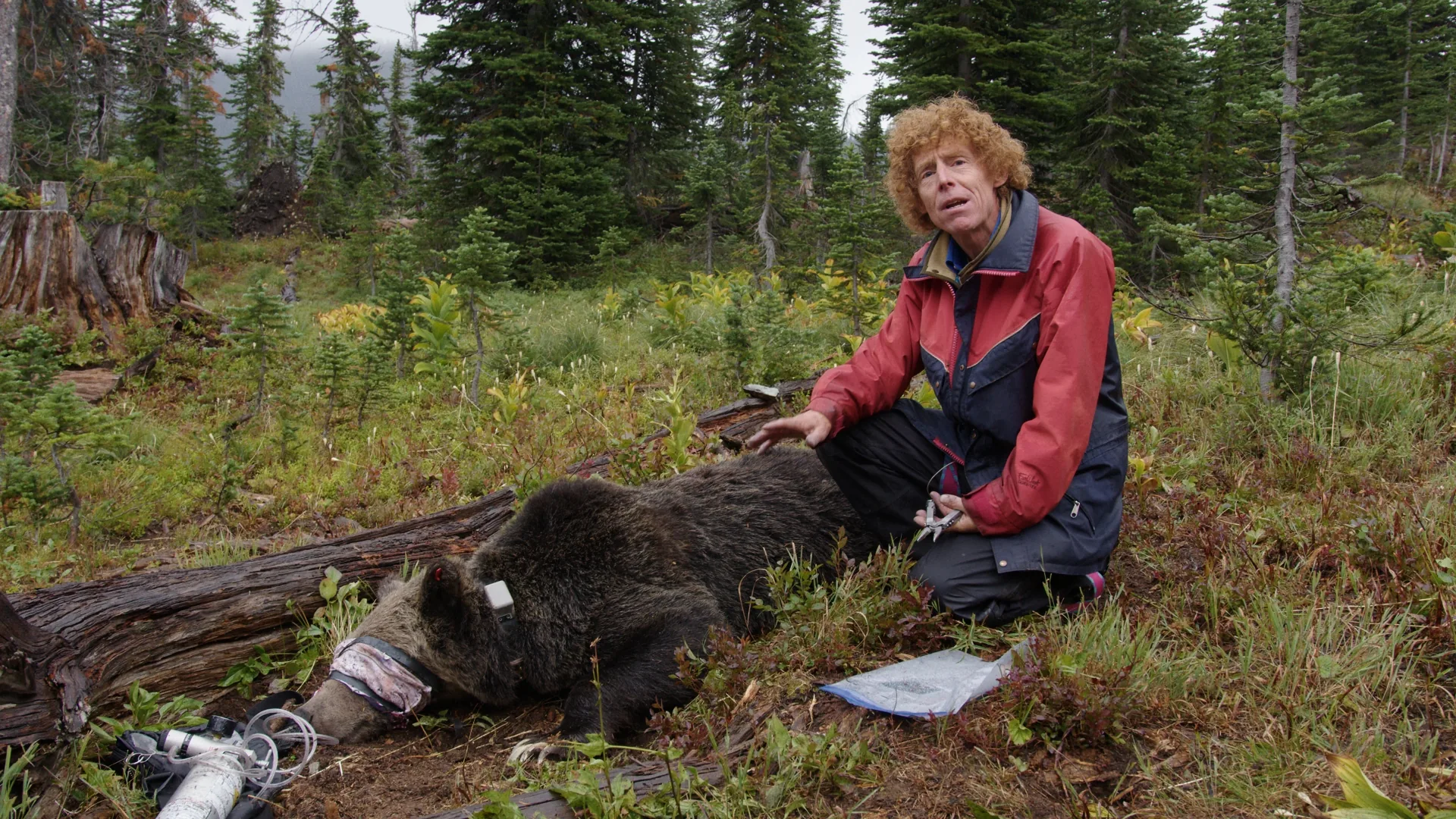
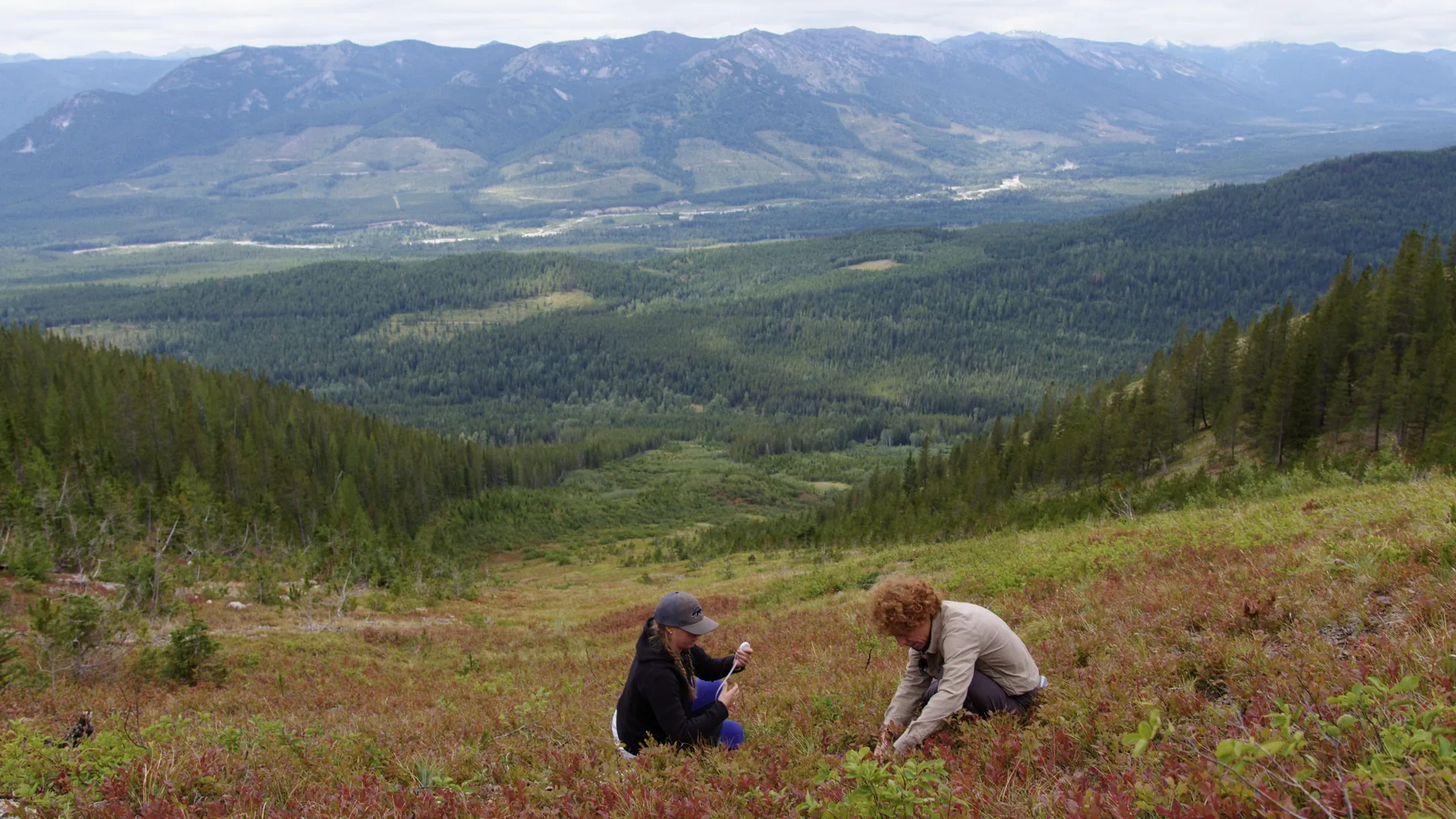
The capture is the part of the program that makes everything else possible. A radio collar is what lets the team measure survival and reproduction: which females are alive, which have cubs, and how many of those cubs make it through. Each late summer the crew goes looking for a few specific bears, darts them, and then works quickly and quietly while the bear is sedated, taking measurements and samples and fitting or checking her collar before she wakes and moves on.
It is fast, careful work, and it runs entirely on the bears' schedule. My job in those moments was to be close to invisible: stay out of the team's way, keep the camera moving, and capture the calm focus of people who have done this many times without ever treating it as routine.


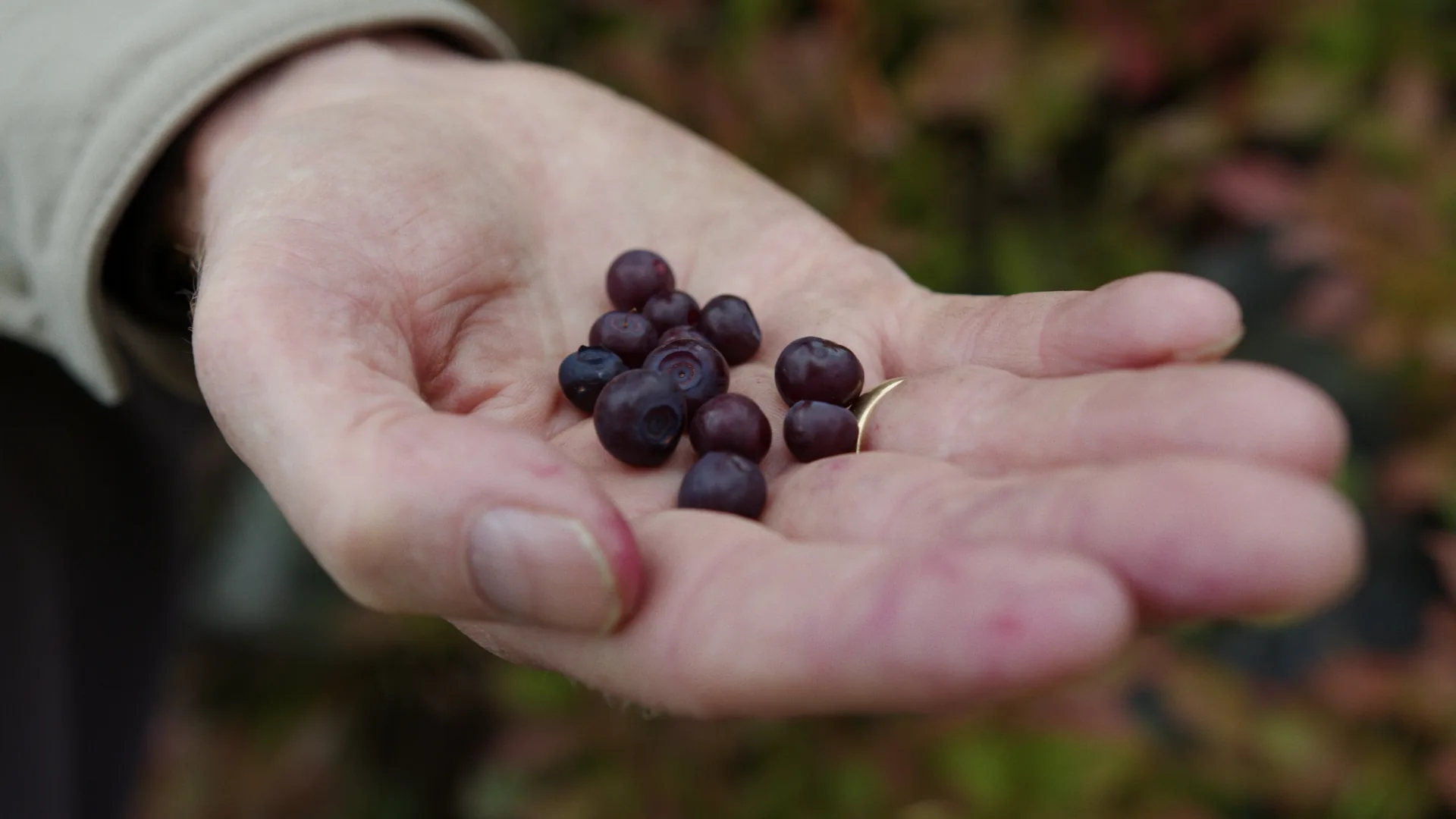
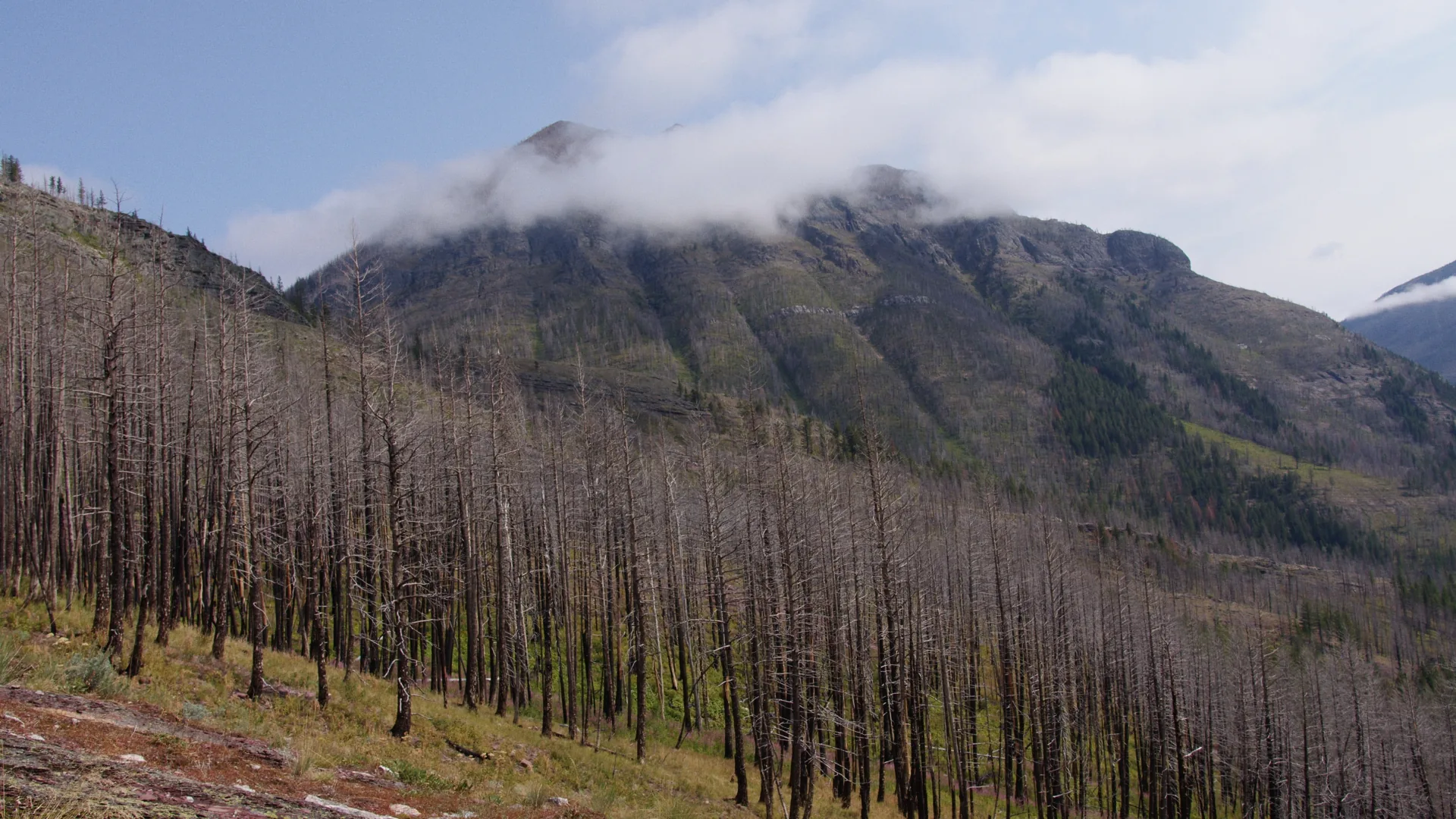
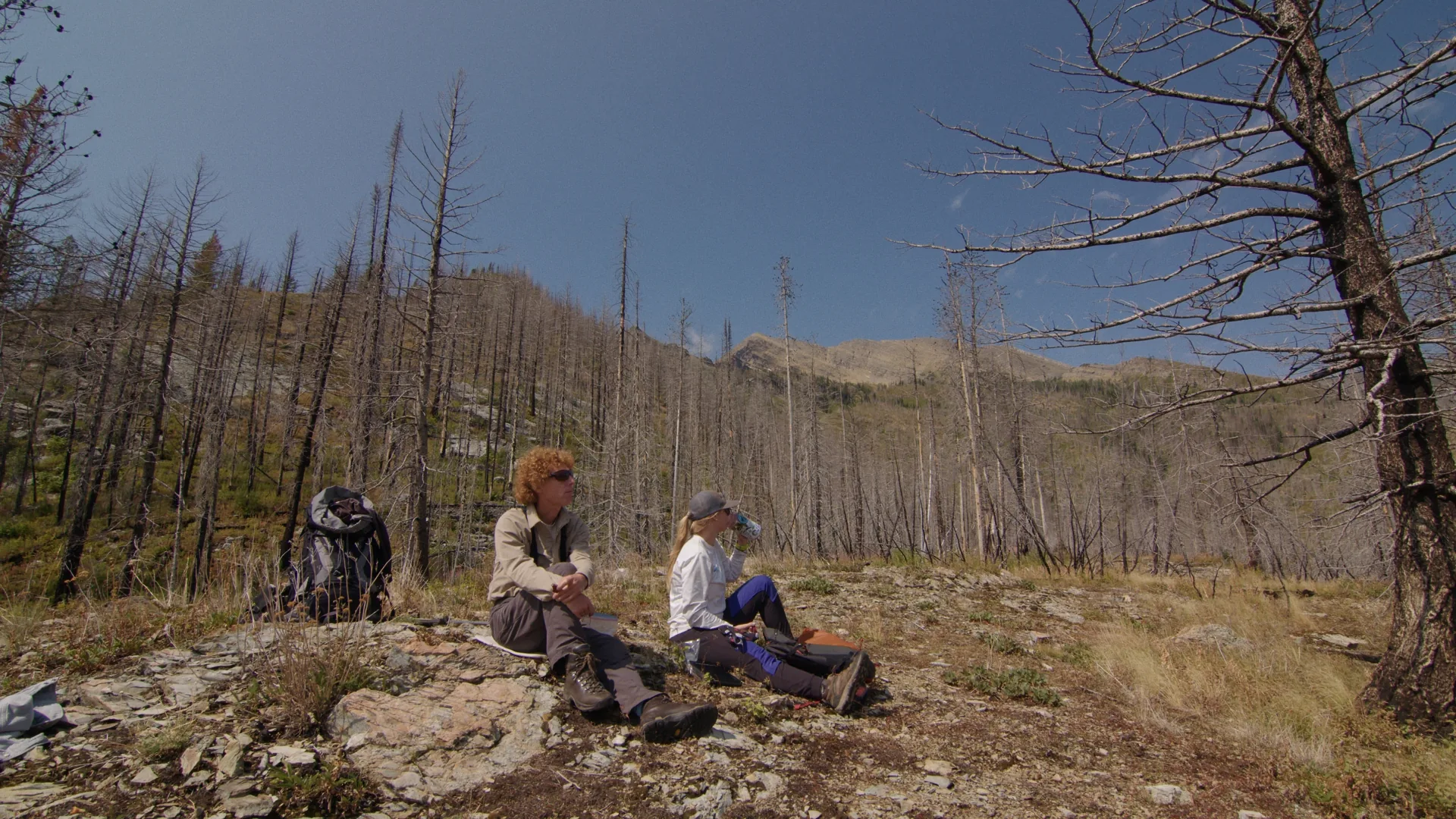
The second episode follows the food. A grizzly's year is a race to build fat before winter, and in the Flathead that race is largely won or lost on berries. Huckleberries and buffaloberries carry the bears through late summer, and both grow best in open sunlight after fire. Many of the valley's big berry fields grew out of large fires in the 1930s, which is why so much of this series was shot among standing burned timber.
The team checks berry crops in the field, because a poor berry year can show up later in the bears: in their body condition, in cub numbers, and in survival.


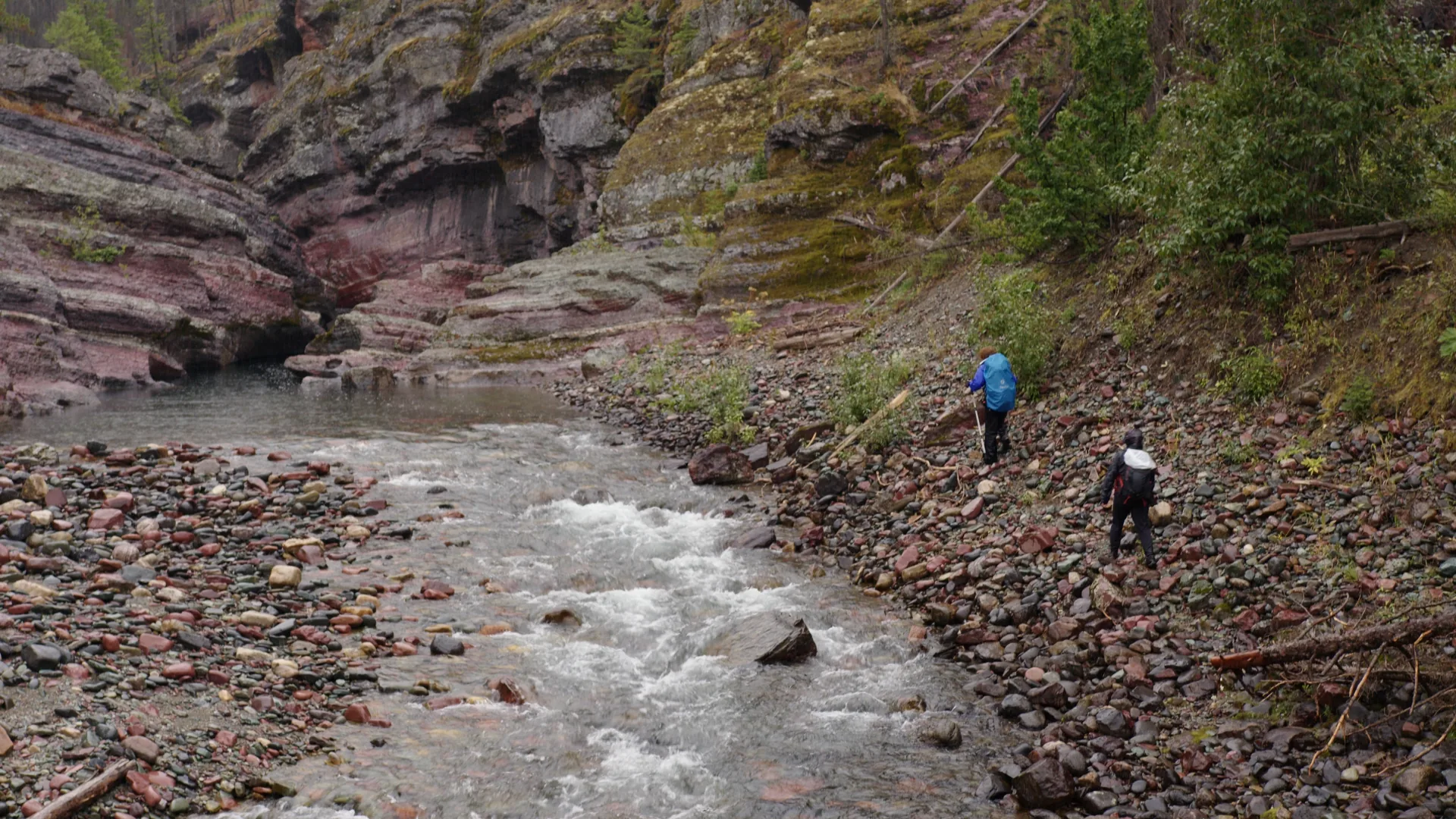
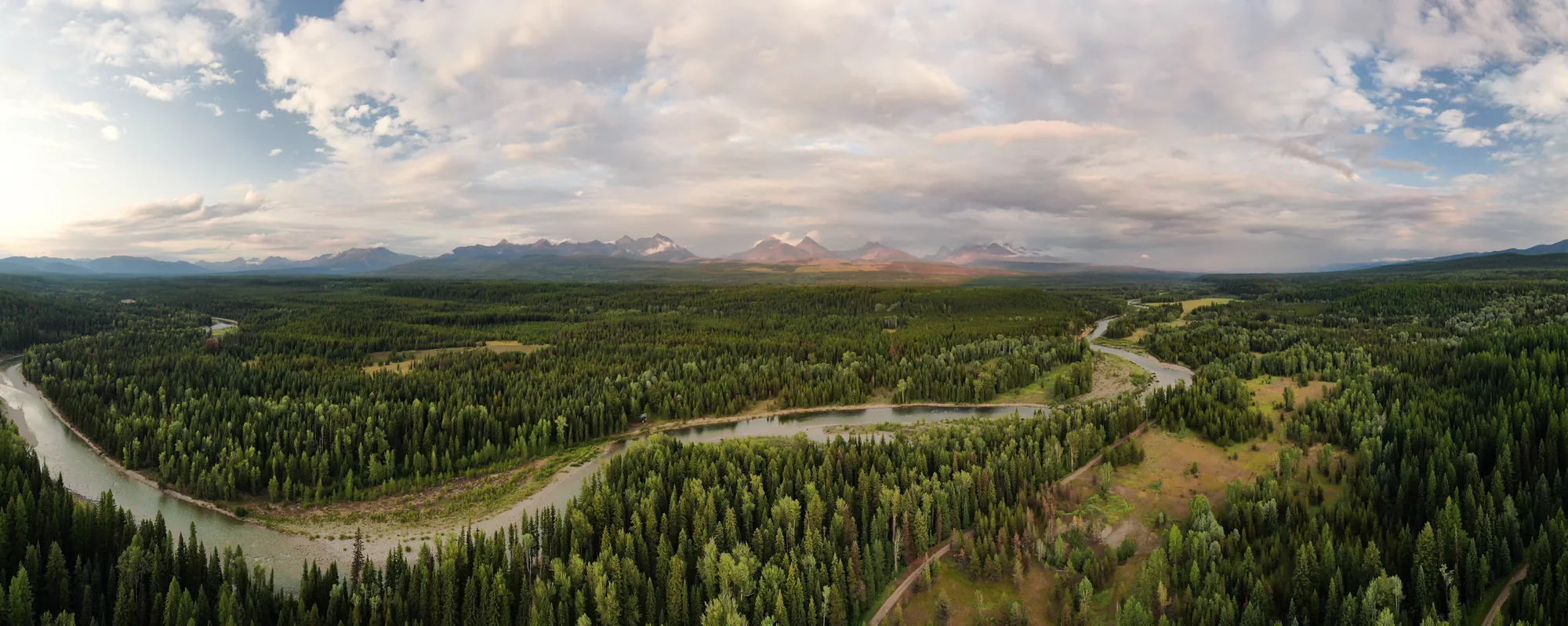
I filmed the series over a couple of seasons, working out of the valley alongside the research team. Days started early and often meant long hikes up creek beds and across burned-out slopes to reach a bear's location, carrying everything I needed to shoot. The landscape did a lot of the storytelling: grey snags against new green growth, the river winding along the valley floor, and the research cabin tucked into the trees.
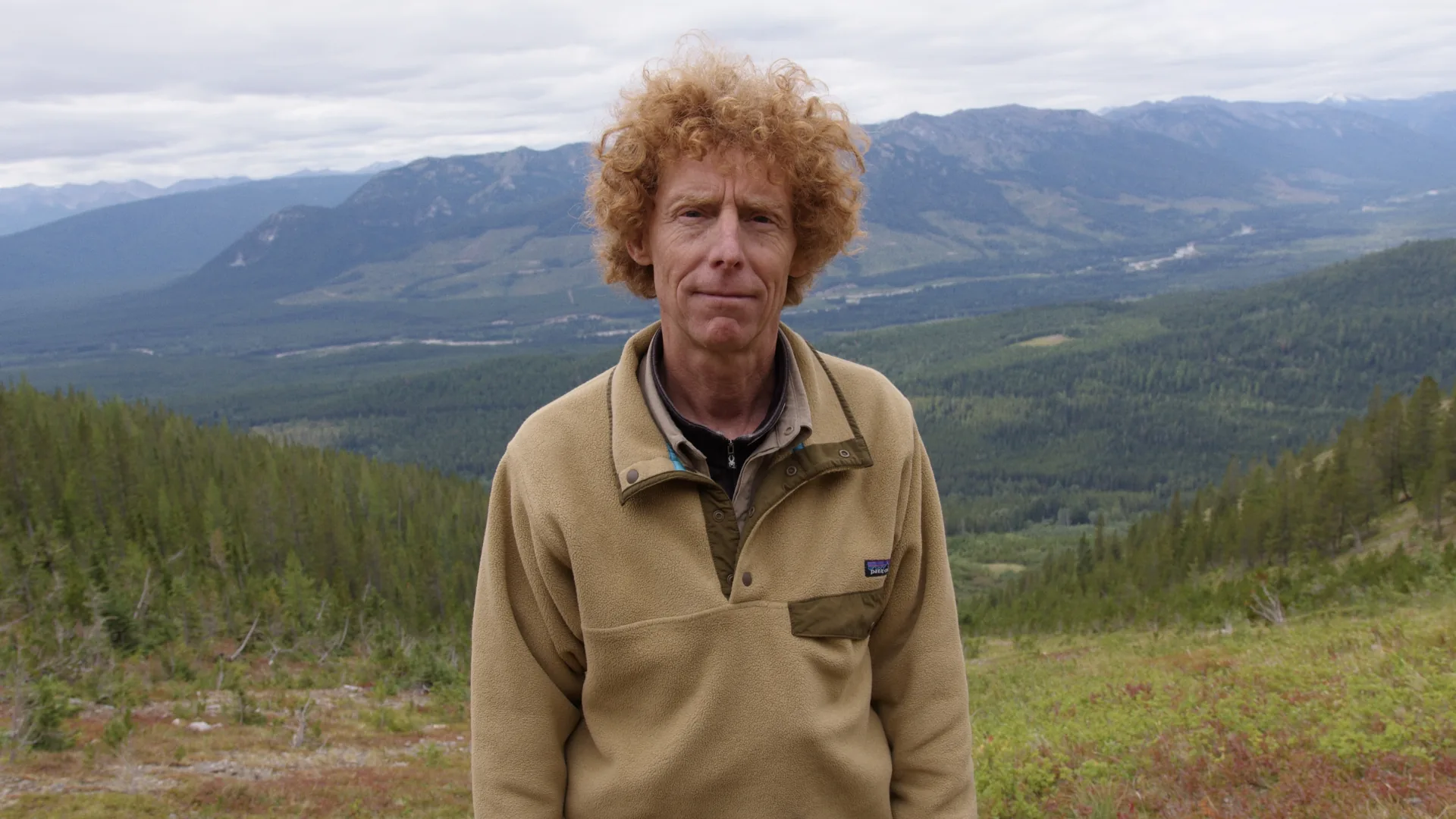
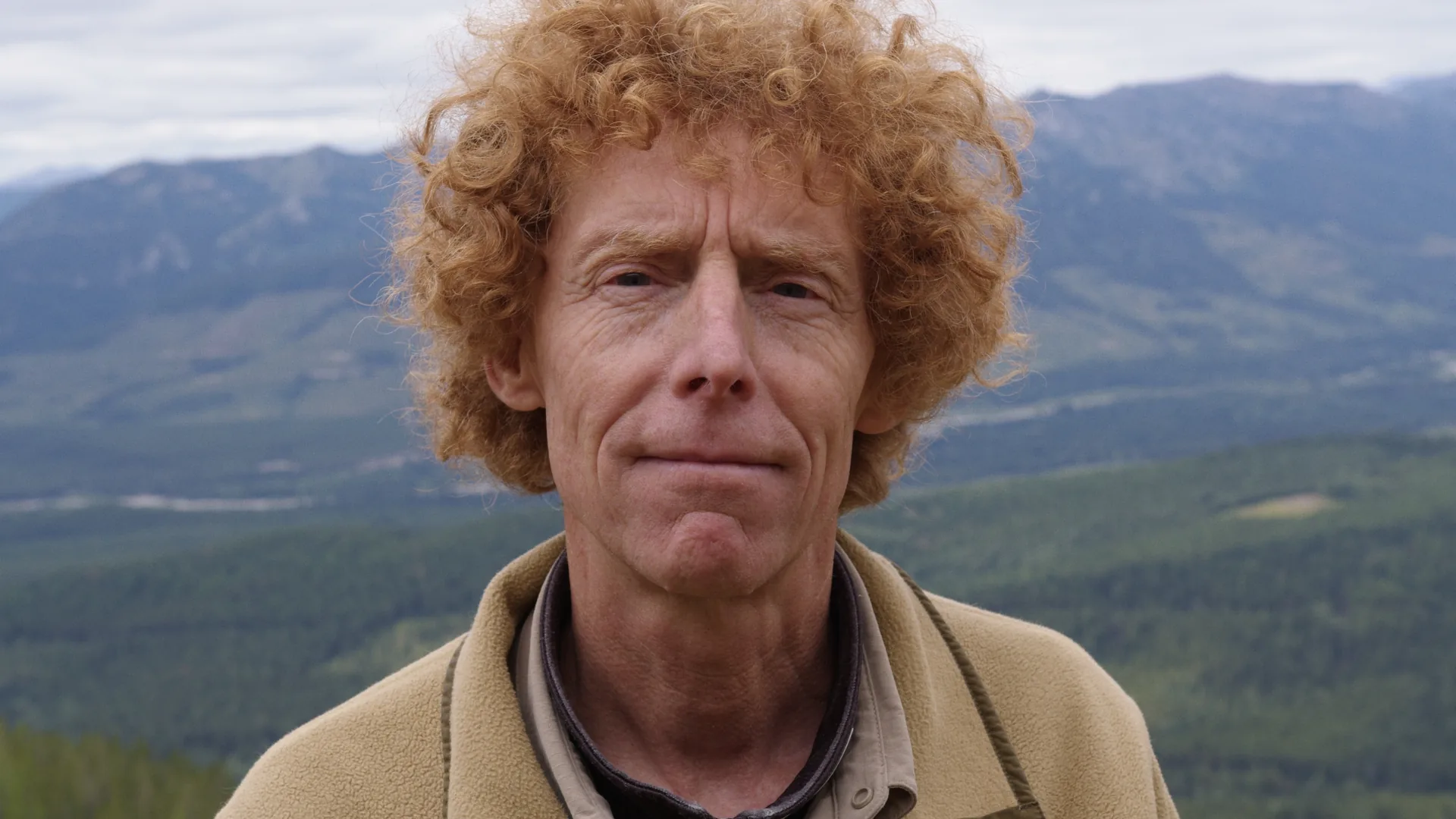
For the interviews I wanted the scientists in the place they know best, framed against the valley rather than inside an office. The third episode steps back to look at the bigger picture: how this population has changed over time, and what it takes for people and grizzlies to share the same country.


If the series sparks your curiosity, Bruce McLellan's book Grizzly Bear Science and the Art of a Wilderness Life: Forty Years of Research in the Flathead Valley (Rocky Mountain Books) is the place to go next.
It weaves four decades of grizzly science together with the story of raising a family in the wilderness while following bears. Bruce wrote it for curious readers rather than other scientists, to close the gap between what researchers know and what the rest of us get to hear about.
The Canadian Flathead Valley is in the far southeastern corner of British Columbia. It runs south to the Montana border, next to Glacier National Park, and is one of the most intact wild valleys in the southern Rockies.
Capturing and radio-collaring female grizzlies lets researchers measure survival and reproduction: which bears are alive, how many cubs they have, and how many of those cubs survive. Those numbers show whether a population is growing or shrinking.
Yes. I direct, produce and shoot documentary work in remote locations across Western Canada, including wildlife and field research, and I know how to work quietly around sensitive subjects.
Science, wildlife and character-driven documentary, from first scout to final cut.